Tom Bailey’s 600km Arctic Journey Becomes a Live Artwork
Tom Bailey is midway through a journey across the Arctic borderlands.
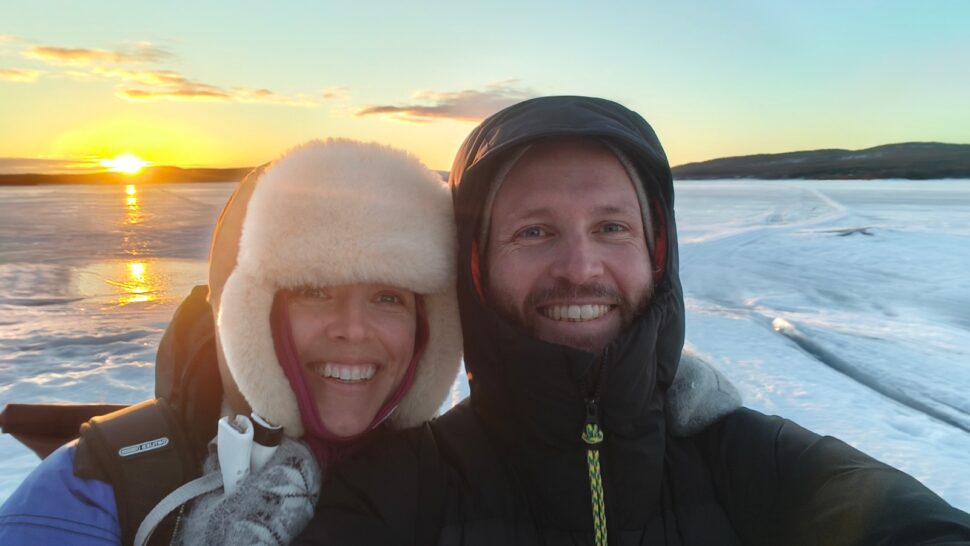
Since 10 March 2026, the Bristol-based theatremaker and artist has been travelling more than 600km across remote regions of Arctic Norway, Finland and Sweden by ski, sled, foot and boat. The project, titled Threshold – A Wild New Border Journey, is both an expedition and a live artwork: a two-month passage through landscapes where climate, sovereignty, endurance and everyday life are becoming increasingly difficult to separate.
Produced by MECHANIMAL, the UK theatre company led by Bailey and designer Natasha Soonchild, the project asks what international performance might look like when environmental responsibility becomes part of the creative process, rather than something addressed after the fact.
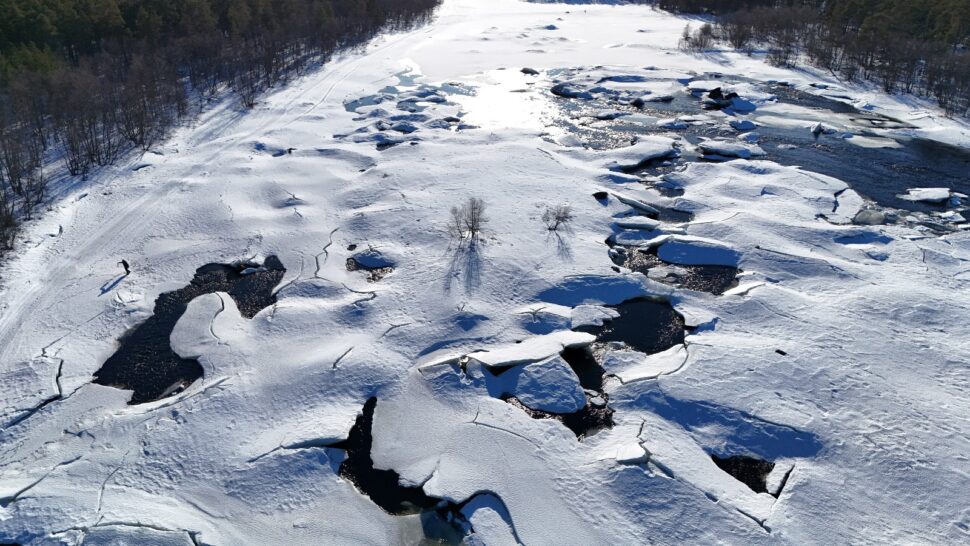
The journey began around Kirkenes in northern Norway, following workshops and public engagement at Barents Spektakel in February. From there, Bailey has been moving westwards from the Russia–Finland–Norway border, travelling through northern Finland and Sweden towards a second tri-border point between Sweden, Norway and Finland. The route is due to conclude on 27 May 2026 at Stamsund International Theatre Festival in the Lofoten Islands, where the first public sharing of material gathered during the journey will take place.
default
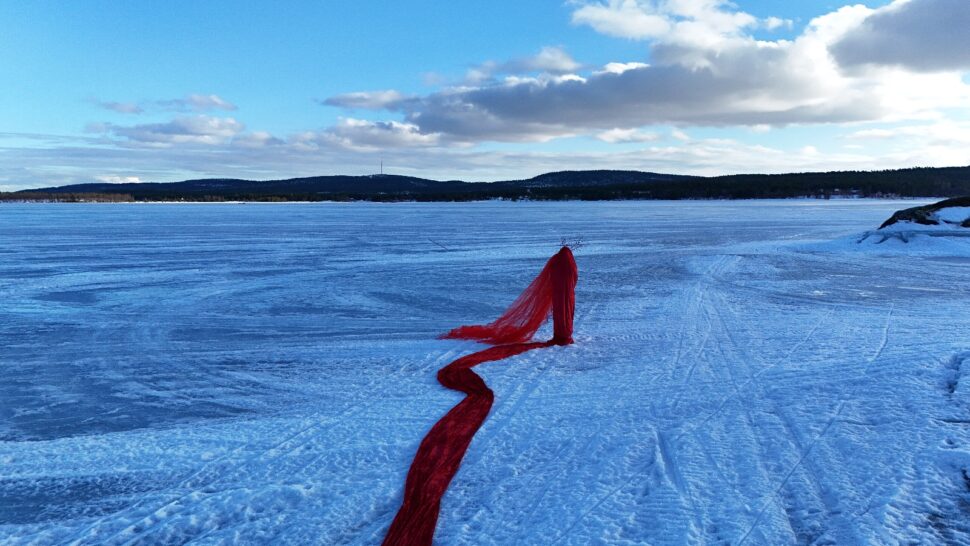
There is a certain quietness to the idea, despite the scale of it. Rather than moving quickly between festivals, flights and fixed points, Bailey is allowing distance itself to shape the work. The slow movement is not a logistical detail. It is the method.
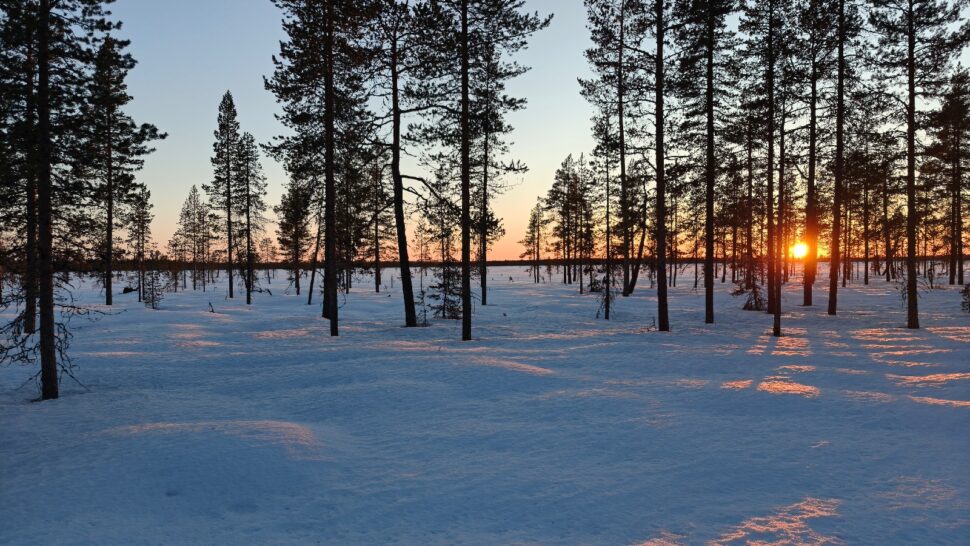
Across frozen lakes, remote forests and coastal mountains, Bailey is meeting local communities, artists and researchers, documenting how environmental change is altering life in the Arctic. The region is often discussed in abstract terms — melting ice, new shipping routes, contested resources, borders under pressure — but Threshold brings these questions closer to the ground.
The borderlands Bailey is crossing are layered places. National borders sit beside indigenous territories, animal migration routes, geological formations and changing seasonal patterns. As the Arctic warms, these landscapes are increasingly caught between ecological fragility and strategic interest. What opens up for one nation or industry may close down for a community, a species, or a way of life.
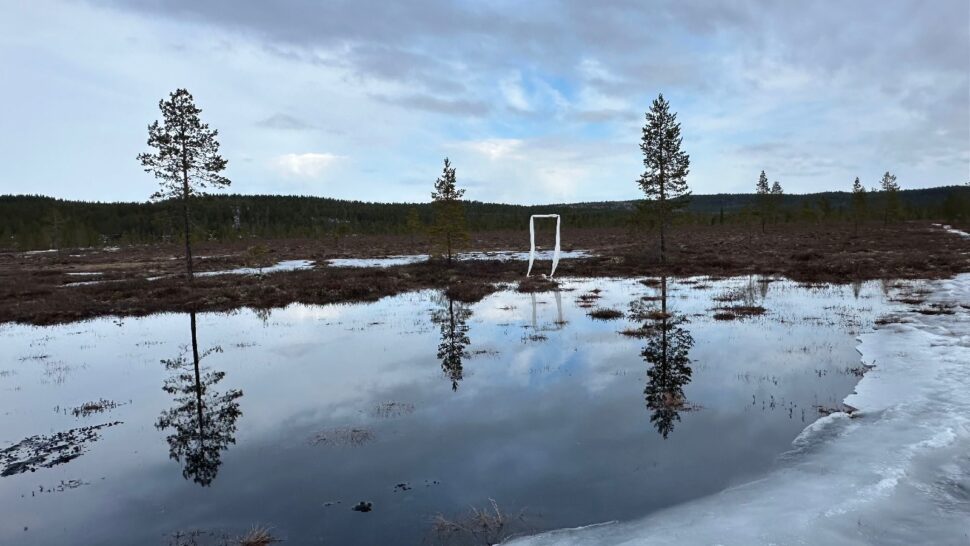
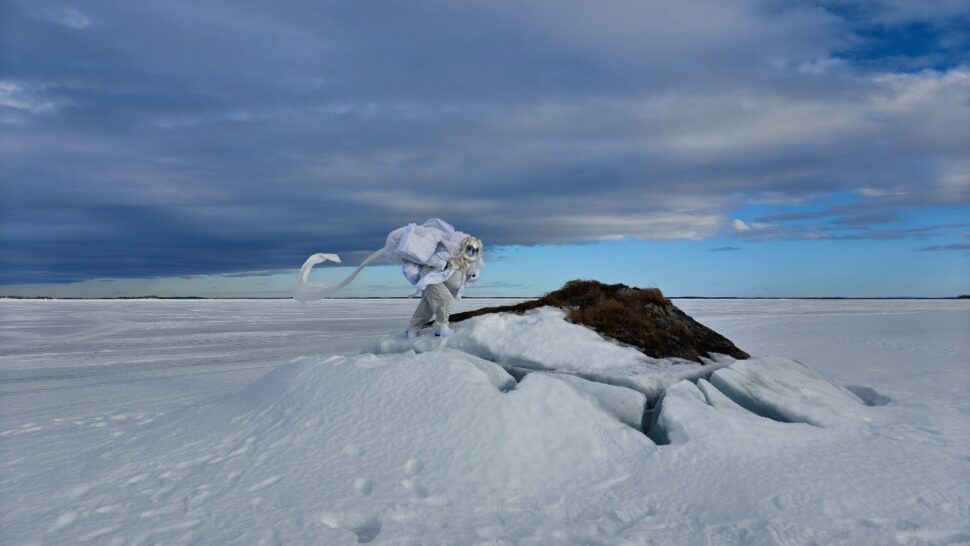
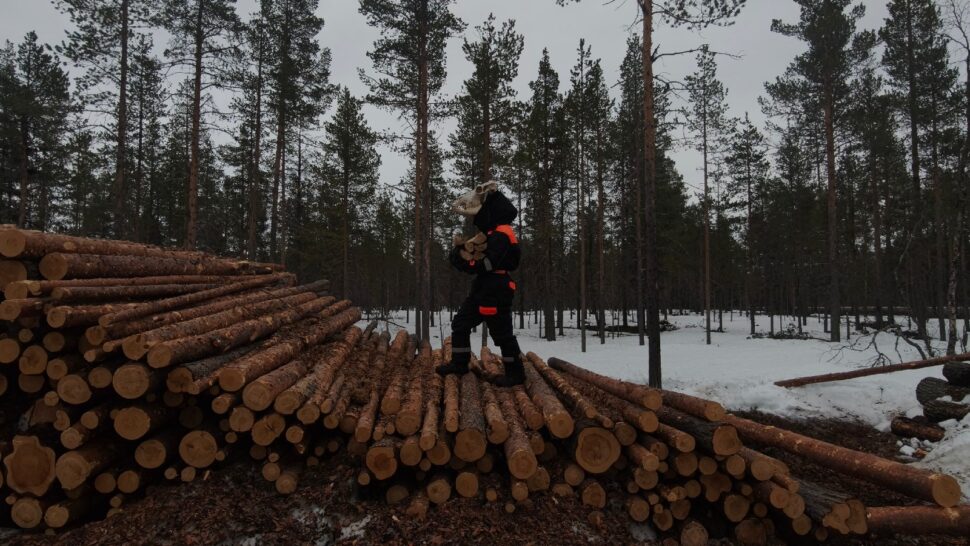
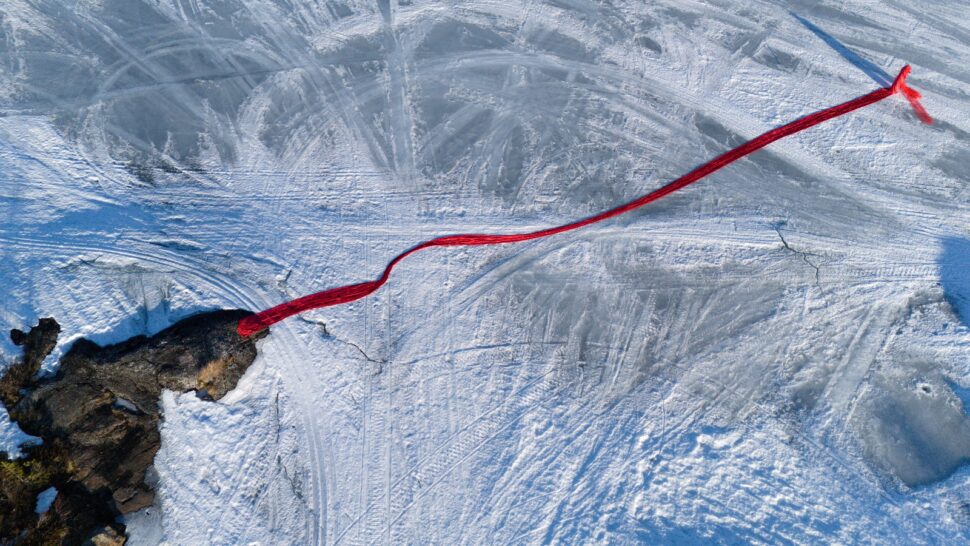
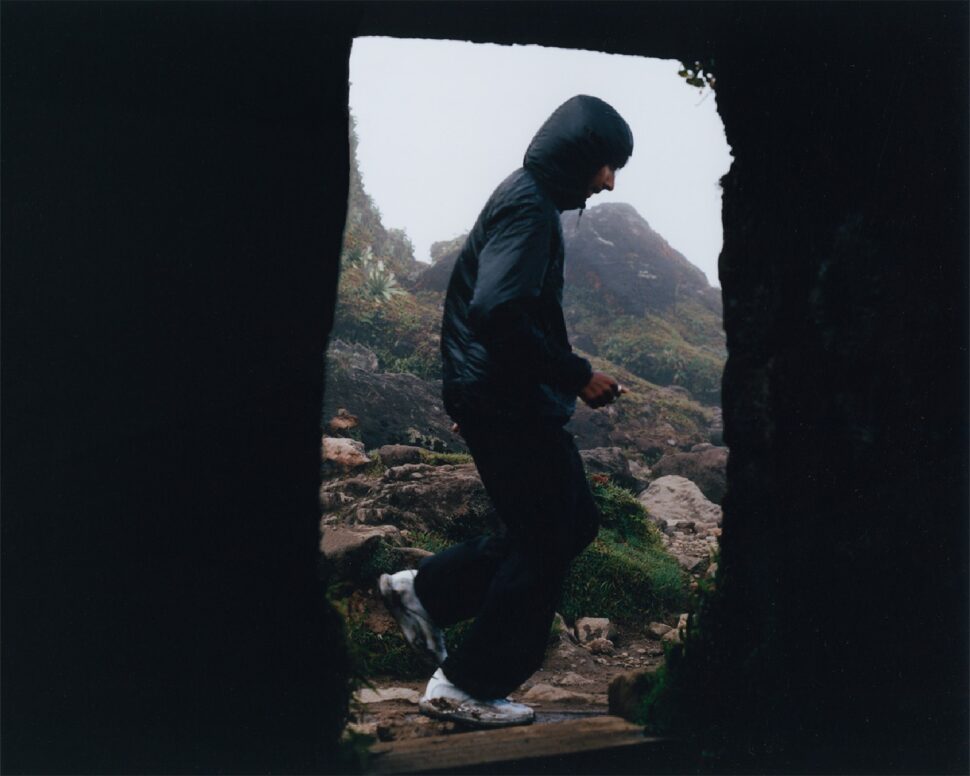
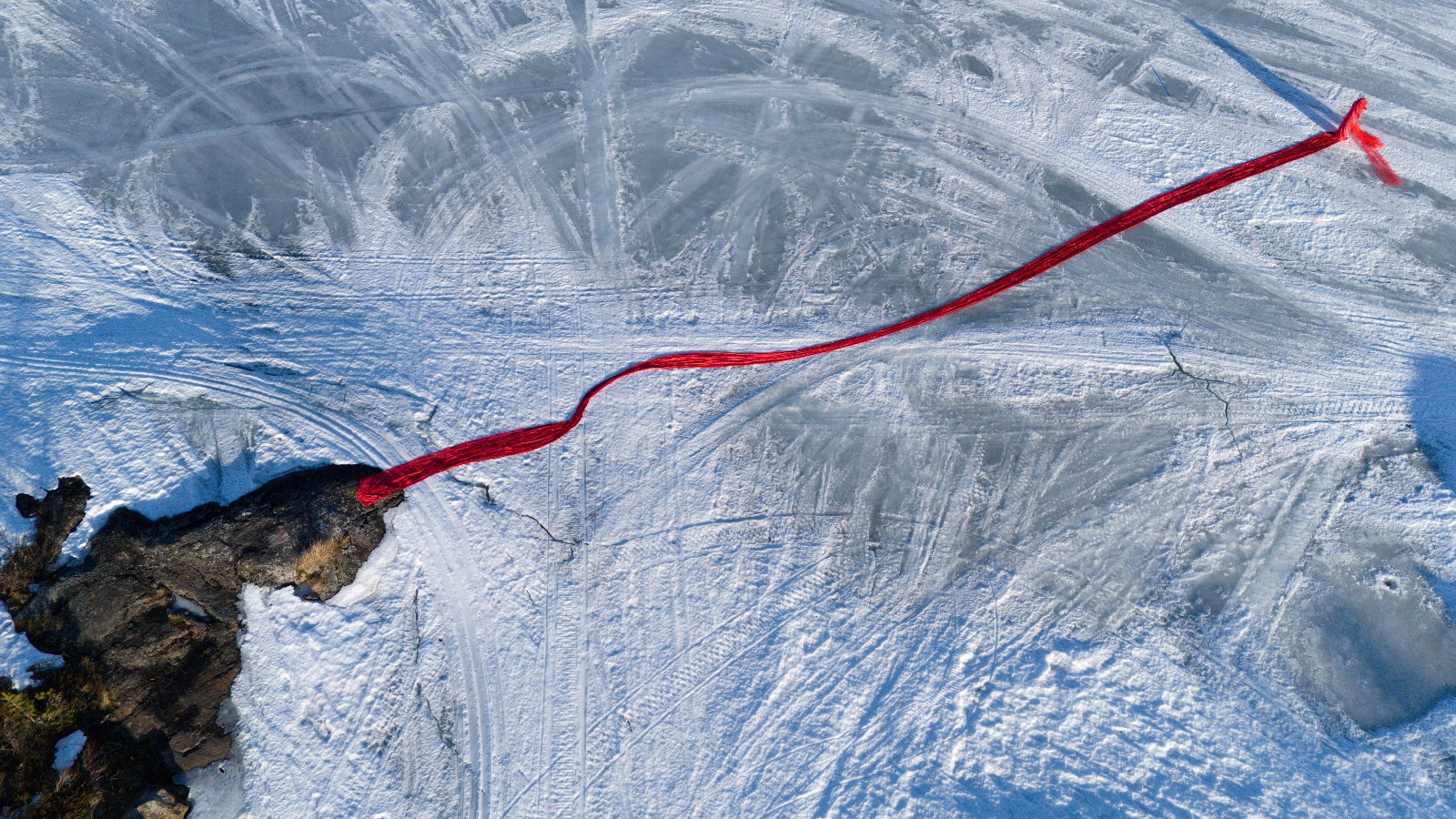
The new images from the journey place Bailey within this vastness. They show the work not as a finished performance, but as something still forming — through exposure, movement, conversation and weather. A figure moving through white space. A body measuring distance slowly. A practice shaped by what it encounters.
Bailey has described Threshold as a desire to “slow right down” and ask what kind of performance-making becomes possible when time, geography and environmental responsibility are treated as creative forces. It is a useful way into the work. The project does not appear to use the Arctic as scenery. It treats the journey, and the conditions of the journey, as material.
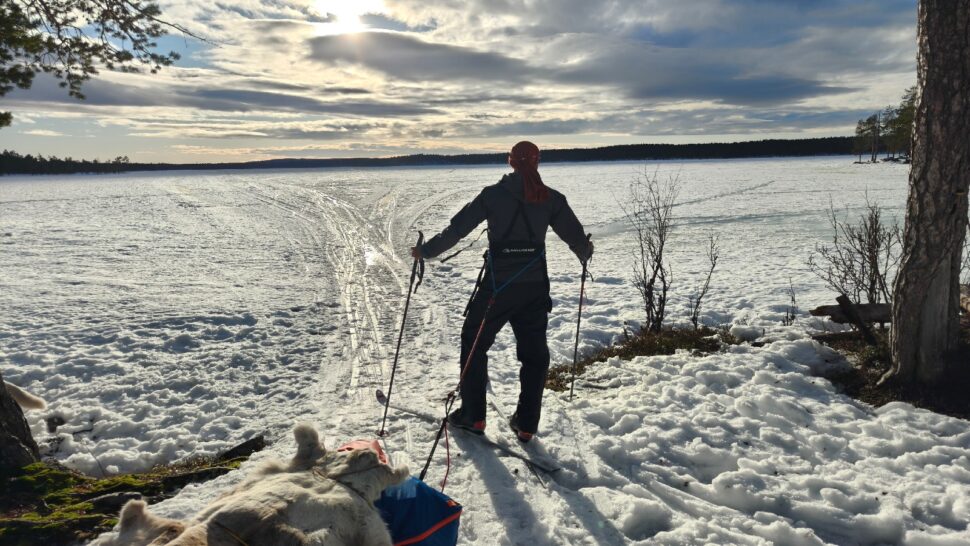
The research gathered along the route will form the basis of a new performance piece, planned for 2027. In parallel, Natasha Soonchild is developing the physical design for the future work while based as an artist in residence in Kirkenes, responding to the same landscapes and questions from another position.
Threshold – A Wild New Border Journey continues Bailey and MECHANIMAL’s wider investigation into how performance is made, toured and shared in a climate-changed world. The company’s recent work includes Wild Thing!, which drew on a previous slow, low-carbon journey across Scotland, Denmark and Norway.
oplus_3145728
The project is being developed with partners in Norway and Denmark, including Norwegian dramaturg Gulli Sekse and ILT Festival in Aarhus. It is supported by climate action non-profit Julie’s Bicycle, with funding through Arts Council England, Arts Council Norway and the Danish Arts Foundation.
At its centre, Threshold is not only about reducing the carbon cost of touring. It is about asking what artists might notice when they refuse speed as the default. What becomes visible when the journey is no longer compressed into transit. What kind of work emerges when the route is allowed to speak back.