Breaking Point: Photography at the Edge of the Justice System
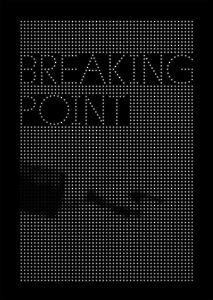
Breaking Point focuses on one part of the justice system that’s often talked about, but rarely seen so directly — the interrogation room. Published by Kehrer Verlag this May, the work looks at how false confessions can take shape under pressure. Not in a dramatic or sensational way, but through the conditions that surround them: long hours, isolation, repetition, and the slow wearing down of certainty.
Robin Dahlberg approaches the subject with a background that sits just behind the work. She spent two decades at the American Civil Liberties Union, working on criminal justice reform, before turning to photography. That experience informs the project, but it doesn’t lead it. The work stays focused on what’s in front of you.
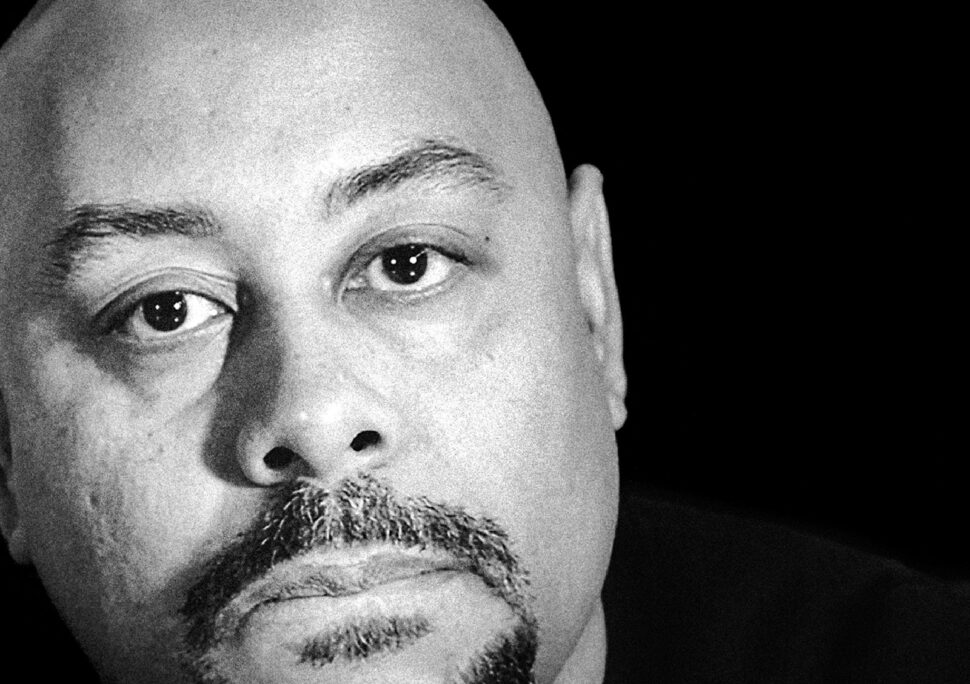
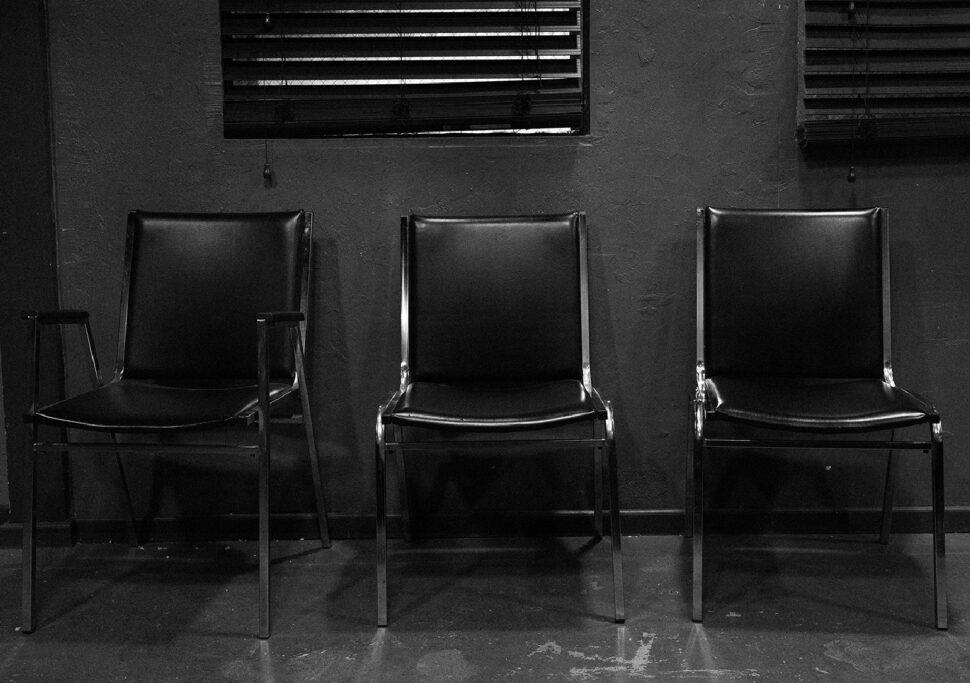
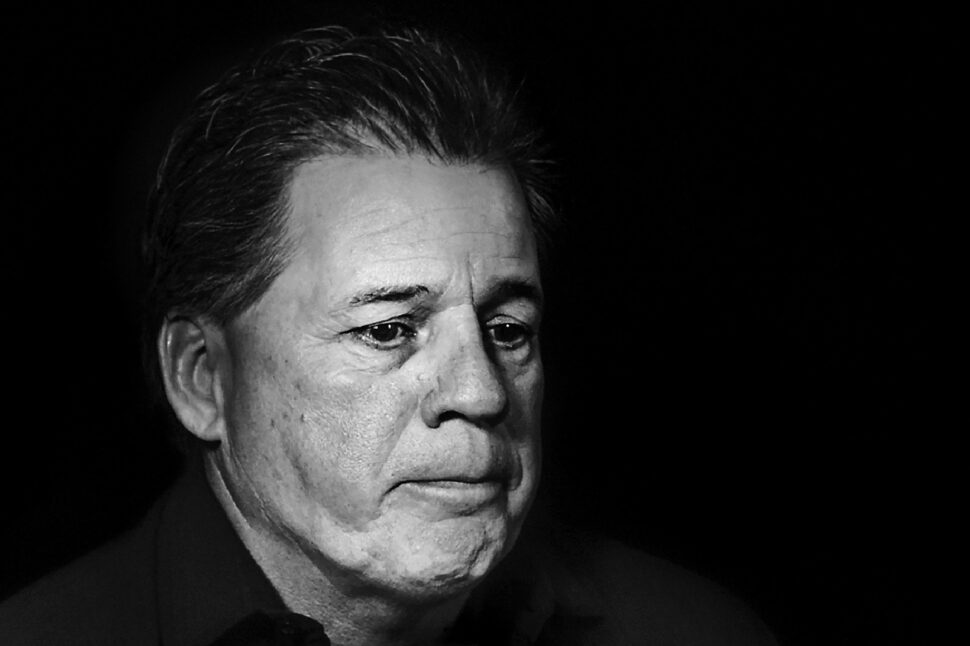
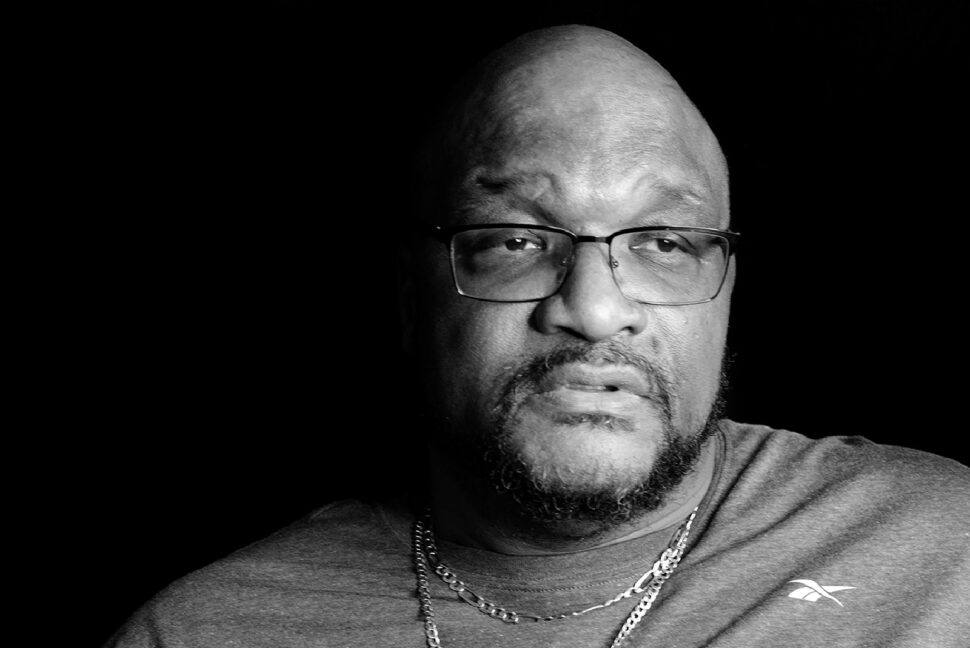
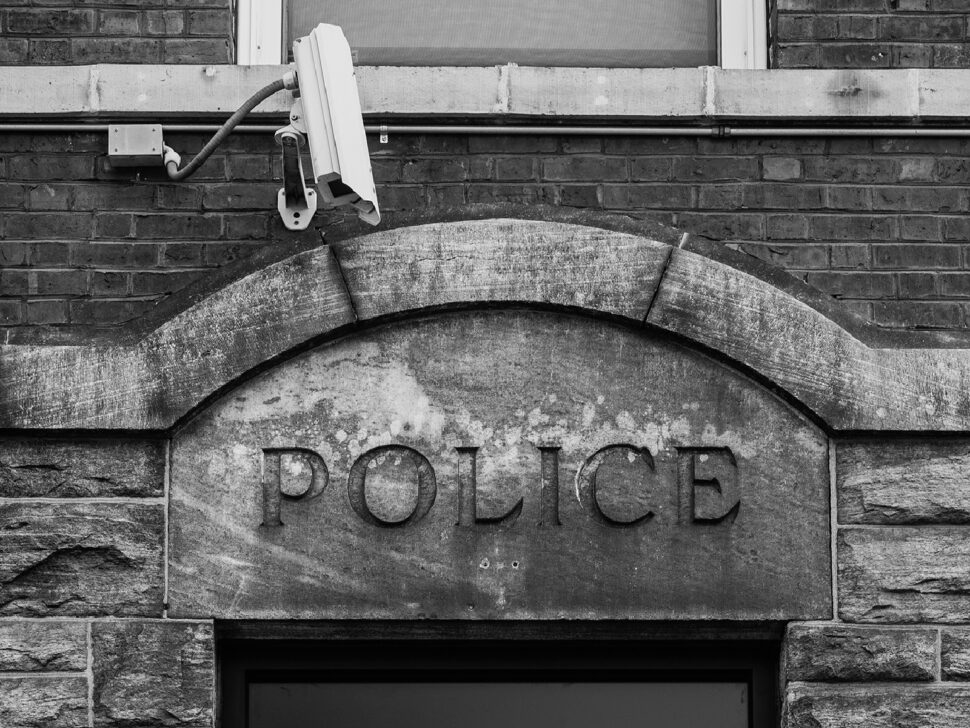
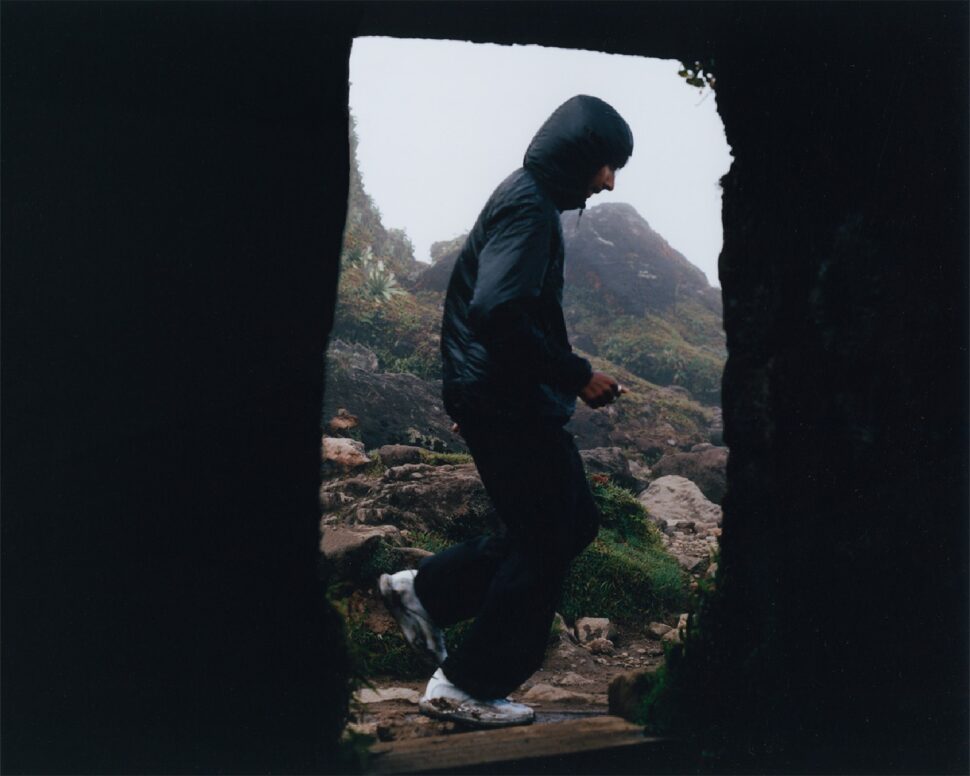
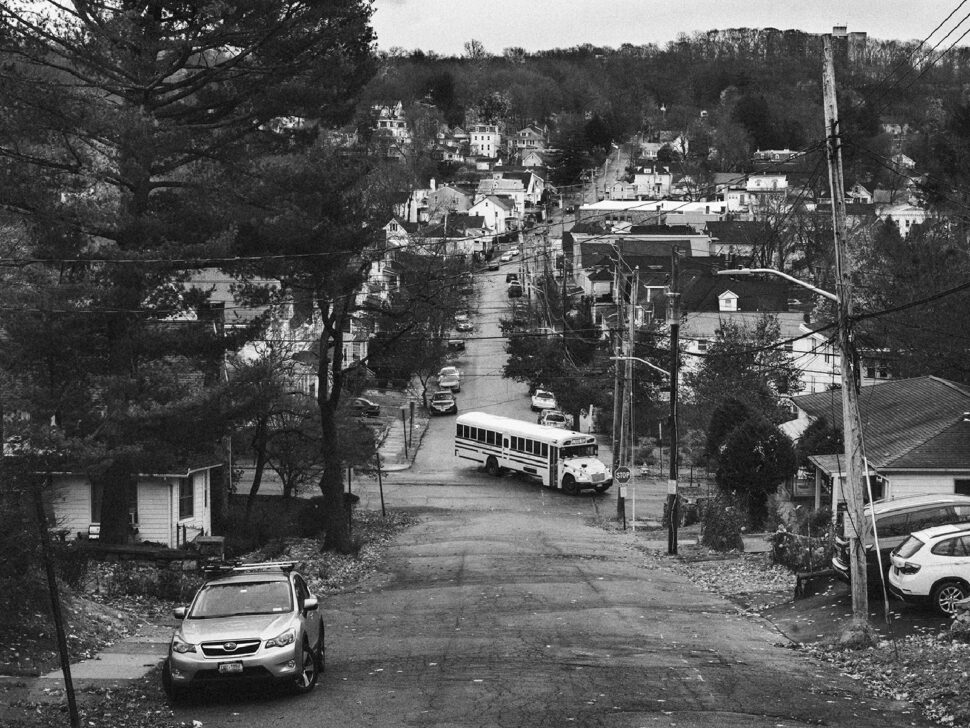
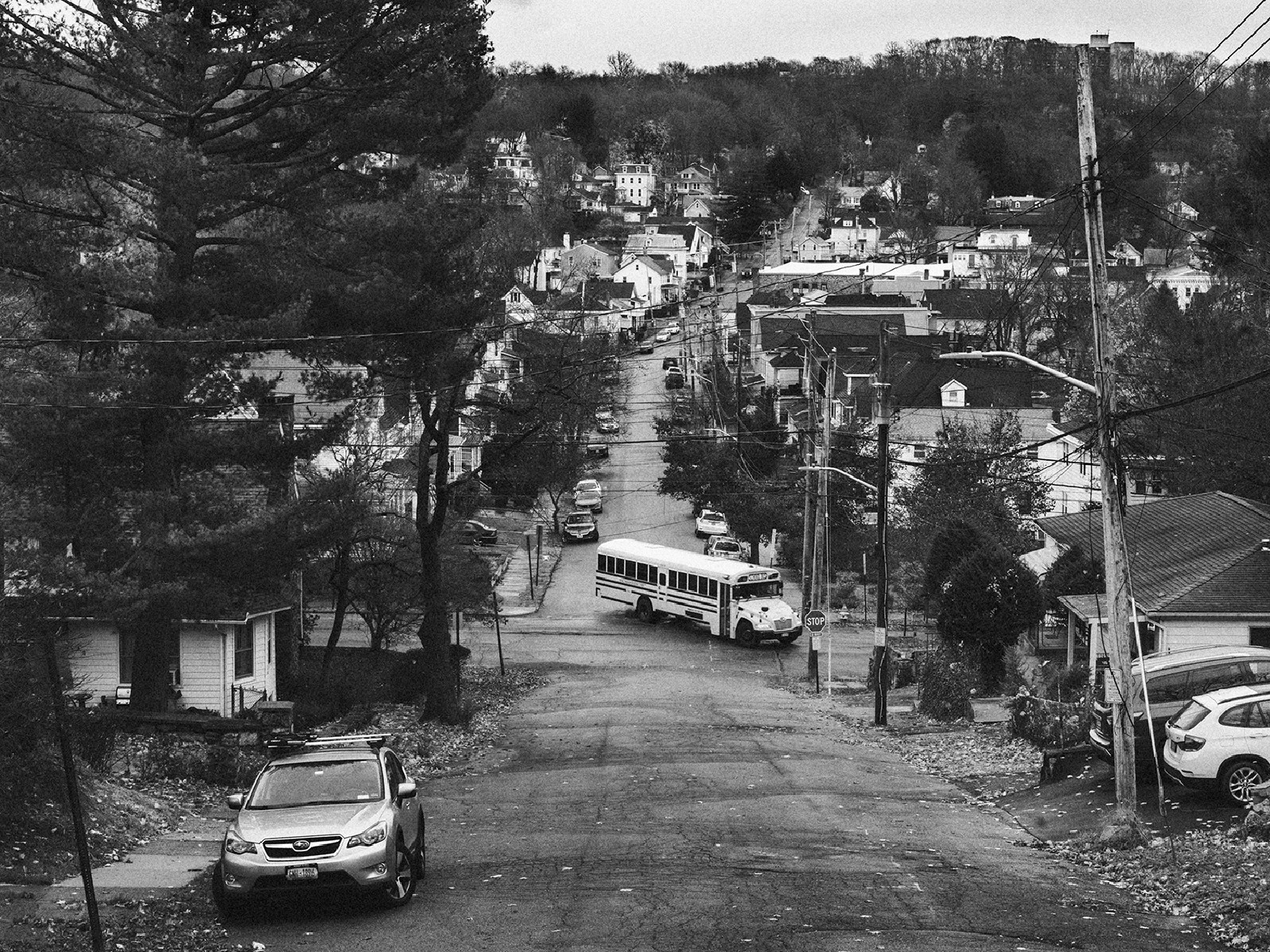
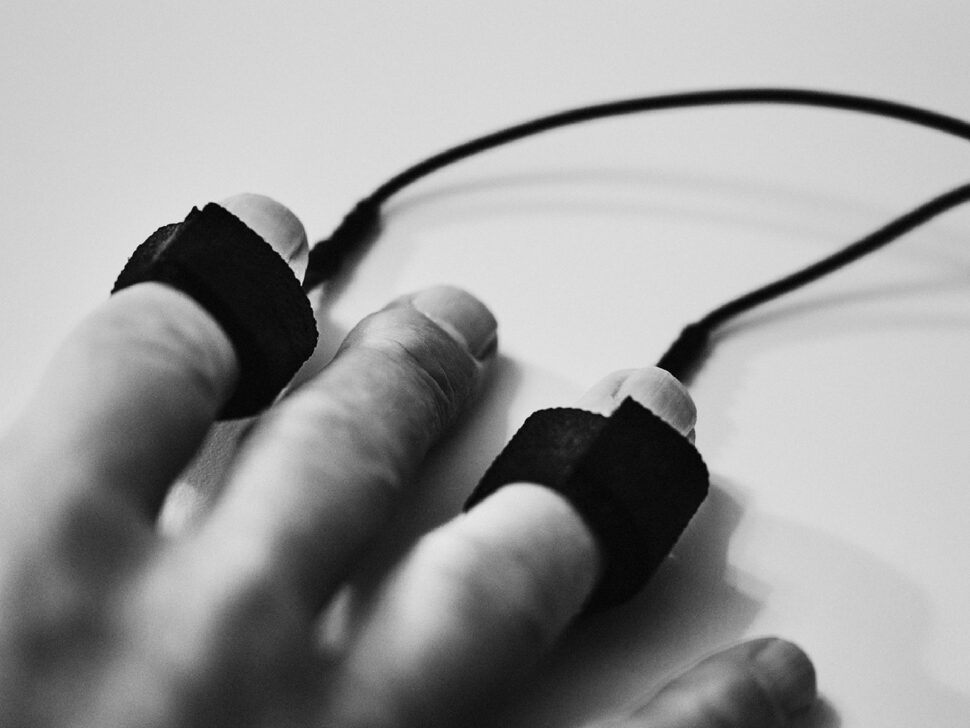
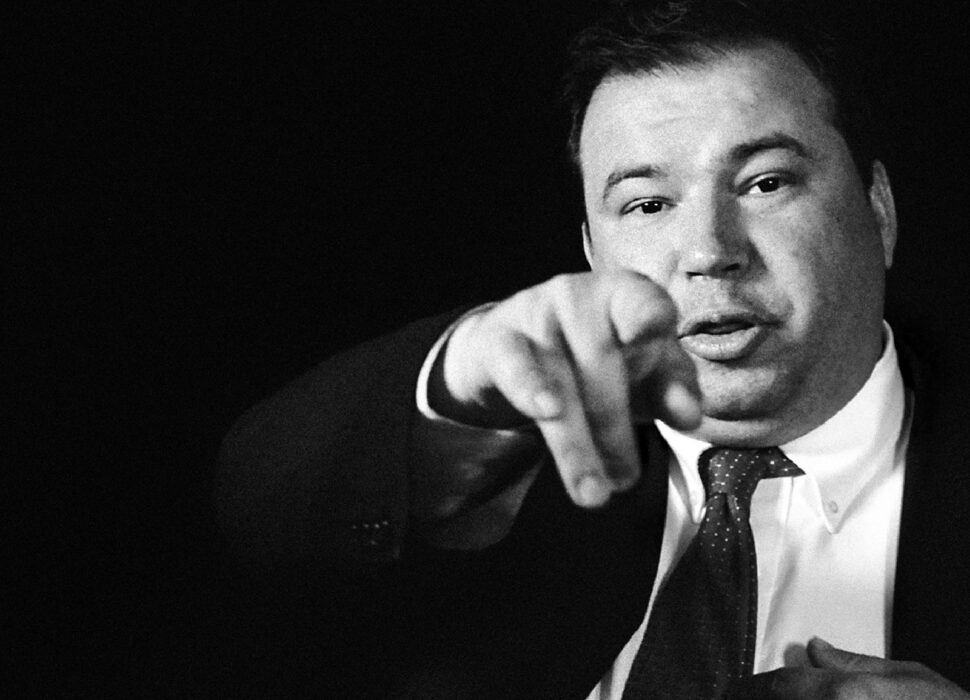
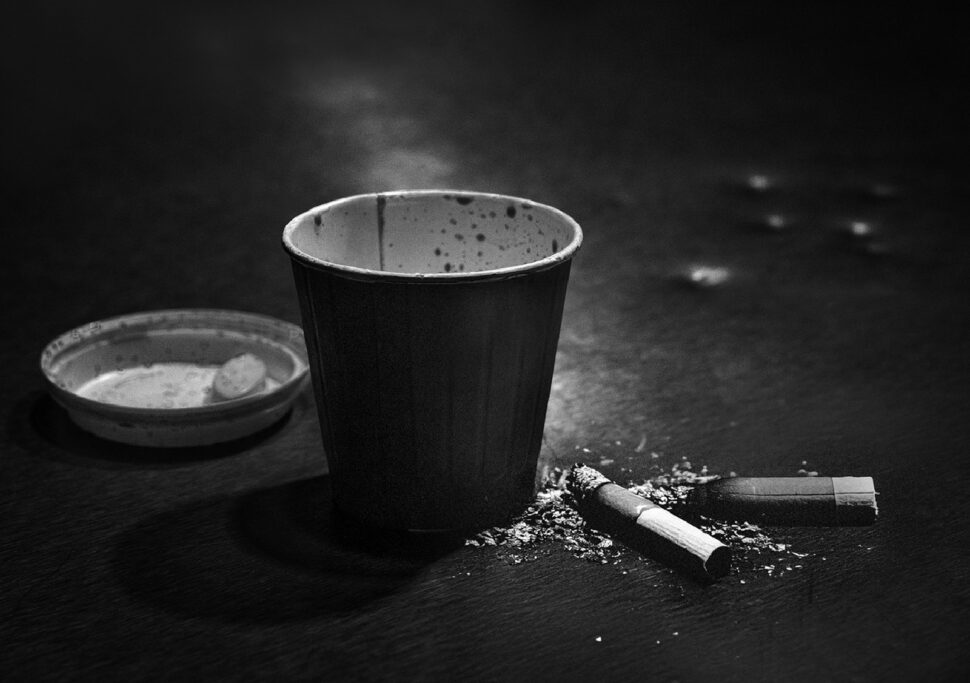
There are around 75 black-and-white photographs — portraits, interiors, and small details that build a sense of place. The images are raw and pared back. Faces are direct, often without expression. Rooms feel tight, functional, with very little to soften them. Even the quieter details — a table, a wall, a surface — carry a kind of weight. Nothing is exaggerated, but the atmosphere is constant.
Screenshot
Six exonerees are part of the project, including Jeffrey Deskovic and Raymond Santana. Their stories are included in short, factual summaries, following the path from arrest to exoneration. Alongside this are fragments of source material — newspaper coverage, case details, and a verbatim interrogation transcript — all gathered during Dahlberg’s research.
The wider context sits quietly behind it. Data from the National Registry of Exonerations shows that false confessions have been a factor in a significant number of cases. The work doesn’t dwell on the numbers. It keeps its attention on the environments and processes that allow those outcomes to happen. In several cases, that pressure is described in direct terms — threats, exhaustion, denial of legal access — details that sit just beneath the surface of the images.
What comes through more than anything is time. The gap between conviction and exoneration — often years, sometimes decades — is there in the background of each case. It isn’t highlighted, but it stays with you.
The structure is simple. Images and text sit alongside each other without trying to compete. There’s no attempt to guide a reaction or push towards a conclusion.
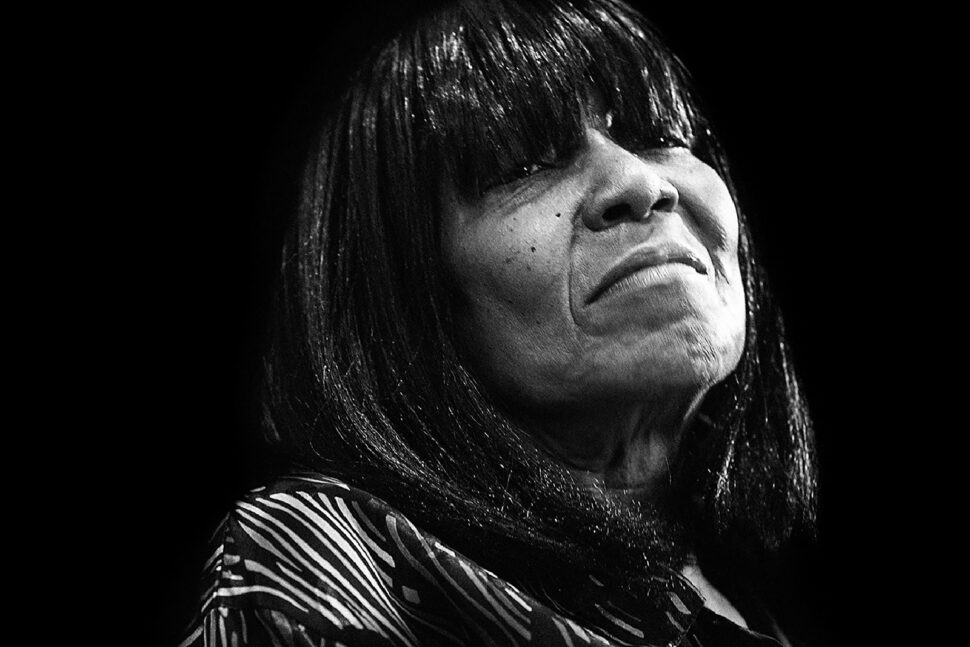
The book will be launched on 14 May 2026 at Soho Photo Gallery in New York, with an artist talk featuring Jeffrey Deskovic and attorney Lisa Cahill, who represented Vanessa Gathers. Both bring direct experience to the subject, adding another layer to the conversation around the work.
It’s a quiet, deliberate body of work. One that doesn’t try to do too much, and is stronger for it.